
 By
By 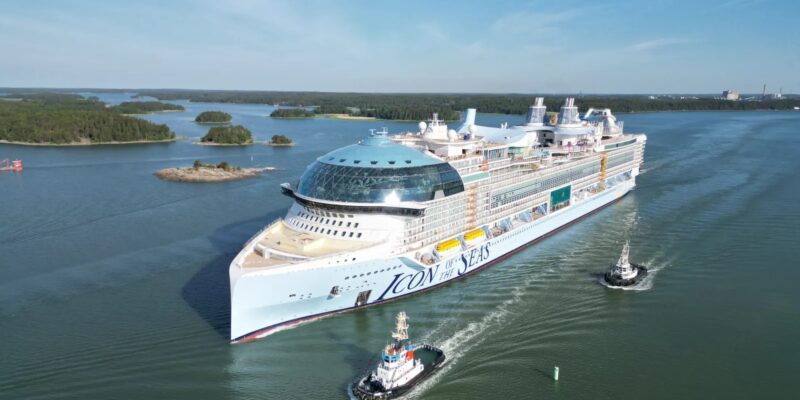
Cruise ships are enormous floating cities that move steadily. So passengers enjoy comfort and stability during long journeys naturally. Then speed is not the only factor engineers consider carefully. Therefore designers balance fuel efficiency, capacity, and safety effectively. This combination explains why ships rarely exceed planned cruising speeds reliably. One design choice impacts multiple aspects of operation every day consistently, making it important for travellers to know the 5 best cruise lines for the ultimate experience.
Hull Design and Hydrodynamics
The hull shape affects water resistance and vessel performance constantly. So engineers create designs that balance speed and stability safely. Then wide and heavy ships create more drag than slender ones naturally. Therefore top speed is limited to protect fuel efficiency and comfort effectively. This ensures passengers enjoy smooth motion without excessive vibration constantly. One hull design can optimize performance across oceans reliably consistently.
Power Plants and Propulsion
Cruise ships use massive engines to move thousands of tons steadily. So fuel consumption increases exponentially with small increases in speed naturally. Then power plants are designed to meet both speed and efficiency safely. Therefore operating at maximum speed is rarely economical or practical effectively. This protects both resources and the environment over long voyages reliably. One propulsion system supports steady travel without sacrificing safety consistently.
Passenger Capacity and Weight
Cruise ships carry thousands of passengers and heavy cargo constantly. So additional weight affects speed and requires more energy naturally. Then designers must consider stability while maximizing accommodations and amenities safely. Therefore faster speeds would increase fuel costs and mechanical strain effectively. This balance ensures comfort and safety without extreme operating costs reliably. One design plan accounts for weight distribution and operational limits consistently.
Stability and Comfort
Passenger comfort is critical in ship design reliably. So stabilizers and hull geometry reduce rolling and pitching naturally. Then extreme speeds can make movement uncomfortable or even dangerous safely. Therefore moderate cruising speeds protect passengers from excessive motion effectively. This improves the overall experience while maintaining structural safety continuously. One adjustment to speed can influence stability and passenger satisfaction consistently.
Fuel Efficiency and Cost
Fuel is the largest operating expense for cruise ships constantly. So operators prefer efficient cruising over maximum speed naturally. Then small increases in speed raise fuel consumption dramatically safely. Therefore designers calculate optimal speed for cost savings and environmental impact effectively. This balance supports long-term operation without excessive expense reliably. One engineering decision can reduce fuel costs and maintain schedules consistently.
Conclusion
Cruise ship speed is limited by many design factors naturally. So hull, engines, weight, comfort, and regulations all matter effectively. Then engineers prioritize stability, efficiency, and passenger satisfaction over pure speed consistently. Therefore the ocean’s giant’s travel steadily while protecting resources and people safely. This balance allows luxurious voyages without sacrificing safety or comfort reliably. One carefully designed ship achieves performance that serves multiple goals consistently.





Comments